Best Hot Tubs for Therapy and Pain Relief - Cedar Wood Spa Collection

6 products

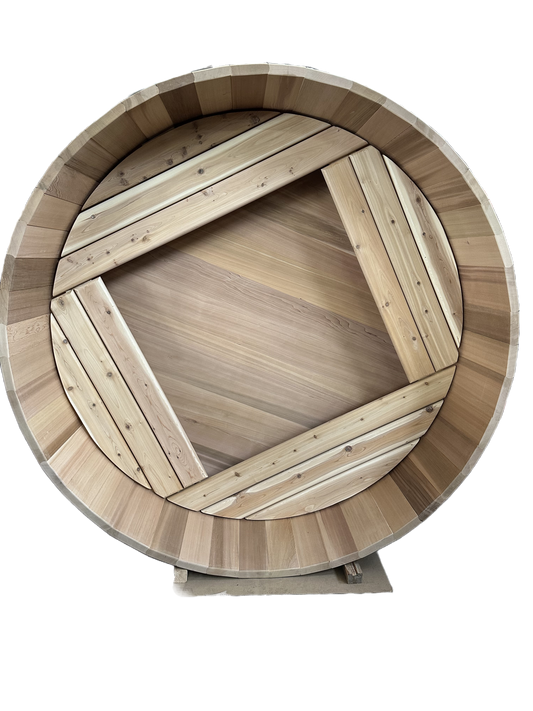
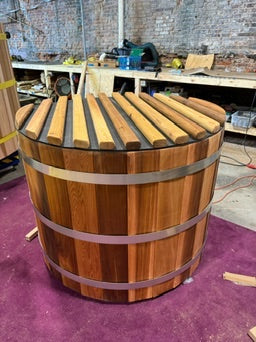
Discover the healing power of premium cedar wood hot tubs specifically designed for therapeutic pain relief and chronic condition management. Our curated collection combines centuries-old hydrotherapy principles with natural cedar construction to deliver effective, drug-free pain management in the comfort of your home. Whether you're managing arthritis, recovering from injury, dealing with fibromyalgia, or seeking relief from daily muscle tension, these therapeutic hot tubs provide targeted heat therapy, soothing jet massage, and the natural antimicrobial benefits of aromatic cedar wood. Each model in our collection is crafted from premium cedar that naturally retains heat longer than synthetic materials, maintaining the optimal 102-104°F therapeutic temperature range while reducing energy costs. From our intimate 4' solo therapy tub perfect for focused treatment sessions to our spacious 7' family model that accommodates multiple users, every hot tub can be customized with adjustable jet systems and efficient gas heating for year-round pain management. Cedar's natural properties create a chemical-reduced environment ideal for those with sensitive skin or respiratory conditions, while the beautiful wood grain and aromatic qualities transform your therapy sessions into a complete wellness experience. Invest in your health and reclaim your mobility with a therapeutic hot tub that works as hard as you do to manage pain naturally.

Key Takeaways

  • Cedar wood hot tubs provide natural antimicrobial properties and superior heat retention for extended therapeutic sessions
  • Hydrotherapy at 102-104°F combined with targeted jet massage effectively reduces arthritis pain, muscle soreness, and inflammation
  • Proper sizing matters for therapy - solo users benefit from 4' models while families need 6-7' options for consistent treatment
  • Adding customizable jets and gas heating systems enhances therapeutic benefits and extends year-round usability

What should you look for in a therapeutic hot tub for pain relief?

When selecting a hot tub specifically for therapy and pain management, prioritize models with adjustable jet systems that allow you to target specific pain points. Cedar wood construction offers natural advantages including antimicrobial properties, superior insulation for maintaining therapeutic temperatures, and aromatic benefits that enhance relaxation. The tub should comfortably accommodate your body size while allowing full immersion up to shoulder level - critical for conditions like fibromyalgia and arthritis. Look for heating systems that maintain consistent temperatures between 102-104°F, the optimal range for pain relief without cardiovascular stress. Seating depth and ergonomic design matter significantly; you need proper support for affected joints while allowing water circulation around painful areas. Consider maintenance requirements as well - cedar's natural resistance to mold and bacteria means less chemical exposure, which is important for those with sensitive skin or respiratory conditions.

How do you choose the right size hot tub for your therapeutic needs?

  • Solo therapy users: 4' cedar hot tubs (1-2 person capacity) provide intimate space for focused treatment, easier temperature control, and lower operating costs while delivering full therapeutic benefits
  • Couples or small families: 5-6' models (3-6 person capacity) allow shared therapy sessions, accommodate different body sizes, and provide flexibility for targeting various muscle groups simultaneously
  • Multi-generational or group therapy: 7' hot tubs (8-10 person capacity) are ideal for families with multiple members managing chronic pain, physical therapy routines, or those who benefit from social hydrotherapy sessions
  • Space and budget considerations: Larger tubs require more maintenance, higher heating costs, and greater installation space, but provide better long-term value for households with multiple users seeking regular pain relief
  • Frequency of use: Daily therapy users should prioritize energy-efficient gas heaters and proper sizing to ensure the tub is always ready without excessive heating cycles that increase costs

Frequently Asked Questions

Are hot tubs good for pain relief?
Yes, hot tubs are highly effective for pain relief through a combination of heat therapy, buoyancy, and massage. The warm water (ideally 102-104°F) increases blood circulation, delivering oxygen and nutrients to damaged tissues while flushing out inflammatory compounds. Buoyancy reduces body weight by approximately 90%, relieving pressure on painful joints and allowing easier movement and stretching. The hydrostatic pressure from water immersion helps reduce swelling and improve cardiovascular circulation. When combined with jet massage, hot tubs provide targeted relief for conditions including arthritis, fibromyalgia, lower back pain, sports injuries, and post-surgical recovery. Studies show that regular hydrotherapy sessions can reduce pain medication dependency, improve sleep quality, and increase range of motion. For optimal therapeutic benefits, sessions should last 15-20 minutes, 3-4 times per week. Cedar wood hot tubs enhance these benefits through superior heat retention and natural aromatherapy properties that promote deeper relaxation.
What is the best hot tub for arthritis?
The best hot tub for arthritis combines therapeutic heat, adjustable jets, and ergonomic seating that accommodates inflamed joints. Cedar wood hot tubs are particularly beneficial for arthritis sufferers because they maintain consistent therapeutic temperatures with natural insulation, reducing the temperature fluctuations that can trigger joint stiffness. For individuals with arthritis, a 5' or 6' cedar model offers the ideal balance - large enough to fully extend limbs and perform gentle range-of-motion exercises, yet intimate enough to maintain precise temperature control. The addition of 4-jet systems allows you to target specific arthritic joints like knees, hips, shoulders, and hands. Cedar's smooth, naturally antimicrobial surface is gentler on sensitive skin compared to acrylic, and requires fewer harsh chemicals that can irritate arthritis-related skin conditions. The Arthritis Foundation recommends water temperatures between 92-100°F for exercise and up to 104°F for pain relief - cedar's heat retention makes maintaining these ranges more energy-efficient. Consider models with easy entry/exit features and comfortable seating depth to accommodate reduced mobility.
Will insurance pay for a hot tub for arthritis?
Insurance coverage for therapeutic hot tubs varies significantly by provider, policy type, and medical documentation. Some health insurance plans, particularly comprehensive policies or Health Savings Accounts (HSAs), may cover hot tubs if deemed medically necessary by a licensed physician. To pursue insurance reimbursement, you'll need a detailed prescription from your doctor specifically stating that hydrotherapy is a necessary treatment for your diagnosed condition (arthritis, fibromyalgia, chronic pain, etc.). Documentation should include failed alternative treatments, expected therapeutic outcomes, and frequency of recommended use. Submit a Letter of Medical Necessity along with itemized receipts showing the hot tub as 'medical equipment' rather than a luxury item. While full coverage is rare, partial reimbursement or tax deductions under medical expenses (IRS Publication 502) are more common if costs exceed 7.5% of adjusted gross income. Veterans with service-connected disabilities may qualify for coverage through VA benefits. Medicare typically doesn't cover hot tubs, but Medicare Advantage plans occasionally do. Contact your insurance provider before purchase to understand specific requirements, and consider that gas heaters and jet systems may qualify as medical equipment if they enhance therapeutic benefits.
Can a hot tub help with nerve pain?
Hot tubs can provide significant relief for nerve pain (neuropathy) through multiple therapeutic mechanisms. The combination of heat and hydrotherapy helps reduce nerve pain by improving circulation to damaged nerves, promoting healing and reducing the ischemia (lack of blood flow) that often exacerbates neuropathic conditions. Warm water immersion triggers the release of endorphins - the body's natural pain relievers - which can help modulate pain signals traveling through damaged nerves. For conditions like sciatica, diabetic neuropathy, or post-herpetic neuralgia, the buoyancy effect reduces gravitational pressure on compressed nerves while allowing gentle movement that maintains flexibility without aggravating symptoms. The hydrostatic pressure from water immersion can help reduce edema (swelling) that often compresses nerves and intensifies pain. Cedar wood hot tubs are particularly beneficial for nerve pain sufferers because consistent, gentle heat (rather than extreme temperature changes) is most effective for neuropathic conditions. Adding adjustable jets allows targeted massage to areas where nerves are compressed or irritated. However, those with severe neuropathy should consult healthcare providers before hydrotherapy, as reduced sensation may prevent detection of excessive heat. Sessions should be limited to 15-20 minutes at temperatures not exceeding 104°F.
How often should I use a hot tub for therapeutic pain relief?
For optimal therapeutic benefits, most pain management specialists recommend hot tub sessions 3-4 times per week, with each session lasting 15-20 minutes. This frequency allows your body to experience cumulative anti-inflammatory effects while preventing overexposure that could lead to dehydration, overheating, or cardiovascular stress. For chronic conditions like arthritis or fibromyalgia, daily sessions may be beneficial, but should be limited to 15 minutes at lower temperatures (98-102°F) to ensure safety. Acute injuries or post-workout recovery may benefit from immediate 10-15 minute sessions followed by rest days. The key is consistency - regular, moderate use provides better long-term pain management than occasional extended sessions. Cedar wood hot tubs support frequent therapeutic use through efficient heat retention and lower chemical requirements, making daily sessions more practical and cost-effective. Listen to your body's response; if you experience dizziness, excessive fatigue, or increased pain, reduce session length or frequency. Those with cardiovascular conditions, pregnancy, or diabetes should consult physicians about appropriate duration and frequency. Hydrate before and after each session, and avoid hot tub use during active inflammation flare-ups. For best results, combine hydrotherapy with prescribed physical therapy exercises, proper medication management, and other recommended treatments.

Sources

  • After Testing 19 Hot Tubs, We Found 7 That We Think Are Actually Worth Your Money — www.thespruce.com
  • Looking for a Hot Tub? These 6 Performed the Best in Our Tests — www.bhg.com
  • Top 20 Best Hot Tub Brands 2023 Chosen by The Cover Guy — thecoverguy.com
  • Choosing the Best Hydrotherapy Hot Tub for Your Home — hotspringgreen.com
  • Hot Tub Advice and Suggestions | What is the best hot tub for therapy, new and looking to get one | Facebook — www.facebook.com