Best Outdoor Hot Tubs for Cold Climates - Premium Cedar Spas

6 products

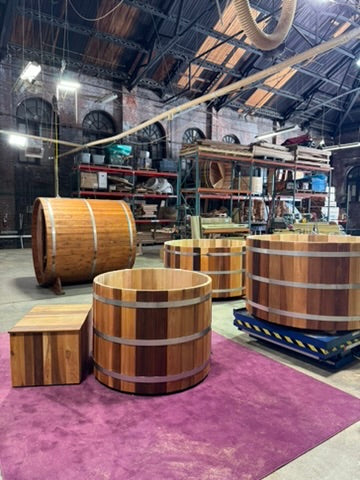
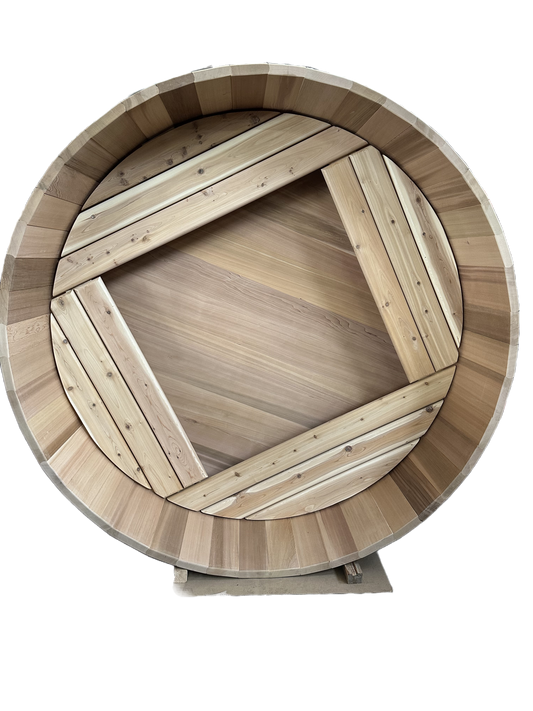
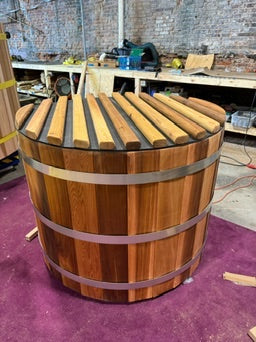
Experience the ultimate winter wellness retreat with our premium collection of cedar wood hot tubs specifically engineered for cold climate performance. When temperatures plummet, there's nothing quite like the therapeutic comfort of soaking in steaming hot water under a starlit winter sky—and our handcrafted cedar spas make this luxury both accessible and energy-efficient. Unlike conventional acrylic hot tubs that struggle to maintain temperature in freezing conditions, our cedar wood construction harnesses nature's superior insulation properties to keep your water perfectly heated while significantly reducing energy costs. Each hot tub in this collection features thick-walled cedar construction that naturally resists heat transfer, maintaining consistent water temperature even when outdoor temperatures drop well below zero. Available in sizes ranging from intimate 4-foot models perfect for couples to spacious 7-foot spas accommodating up to 10 people, our cedar hot tubs deliver exceptional cold-weather performance without compromise. The natural beauty of aromatic cedar wood creates an authentic spa atmosphere while providing unmatched durability against the moisture, temperature fluctuations, and freeze-thaw cycles that damage lesser materials. Complement your cedar hot tub with our specially designed roll covers and optional gas heaters to maximize heat retention and ensure year-round enjoyment regardless of how harsh your winters become. Whether you're seeking muscle relief after winter sports, a warm gathering space for family and friends, or simply a peaceful escape from cold-weather cabin fever, our cold-climate hot tub collection transforms your backyard into a four-season wellness sanctuary.

Key Takeaways

  • Cedar wood hot tubs offer superior natural insulation compared to acrylic models, making them ideal for maintaining heat in freezing temperatures
  • Proper heating systems and insulated covers are essential for year-round use in cold climates, reducing energy costs by up to 40%
  • Size selection impacts heating efficiency—smaller tubs heat faster and retain warmth better in extreme cold weather conditions
  • Winter hot tubbing is safe and beneficial when water temperature is maintained between 100-104°F with proper safety precautions

What should you look for in hot tubs for cold climates?

When selecting a hot tub for cold climates, prioritize models with exceptional insulation properties and weather-resistant construction. Cedar wood hot tubs excel in freezing conditions due to the natural insulating properties of wood, which maintains water temperature more efficiently than synthetic materials. Look for tubs with thick walls (minimum 1.5 inches), full foam insulation around the cabinet, and a well-sealed base to prevent heat loss through the bottom. The heating system is equally critical—ensure it's powerful enough for your climate zone, with at least 4-5 kW capacity for extreme cold regions. A quality thermal cover with a minimum R-value of 16 is non-negotiable, as up to 70% of heat loss occurs through the water surface. Additionally, consider tubs with built-in freeze protection features that keep pumps and plumbing from freezing during power outages. Cedar construction offers the added benefit of natural resistance to moisture damage, warping, and cracking that can occur with temperature fluctuations common in cold climates.

How do you choose the right size hot tub for winter use in cold climates?

  • Consider heating efficiency: Smaller tubs (4-5 feet) heat faster and maintain temperature more easily in extreme cold, making them more energy-efficient for harsh winter climates
  • Match capacity to usage patterns: A 1-2 person tub requires less energy to reheat after use, while larger 6-7 foot models suit families but demand more powerful heating systems and higher operating costs
  • Account for exposure and placement: Tubs in fully exposed locations benefit from compact sizes that minimize surface area heat loss, while sheltered installations can accommodate larger models
  • Factor in recovery time: In sub-zero temperatures, larger hot tubs can take 8-12 hours to return to optimal temperature after use, while smaller models recover in 3-5 hours
  • Evaluate your property's electrical capacity: Larger tubs often require 240V connections and may need electrical upgrades, especially when adding gas heater supplements for cold weather performance

Frequently Asked Questions

What hot tub is best in cold weather?
Cedar wood hot tubs are the superior choice for cold weather conditions due to their exceptional natural insulation properties. Unlike acrylic or plastic hot tubs that rely entirely on synthetic insulation, cedar wood naturally resists heat transfer, keeping water warmer longer while reducing energy consumption by 20-30%. The thick cedar walls act as a thermal barrier, and the wood's cellular structure traps air, creating additional insulation. For extreme cold climates, opt for models with 1.5-2 inch thick cedar walls combined with full foam insulation around the cabinet. Pair your cedar tub with a high-quality insulated cover (R-16 or higher) and consider adding a gas heater as a supplemental heating source for the coldest months. The 5-6 foot cedar models offer the best balance of capacity and heating efficiency, accommodating 3-6 people while maintaining optimal temperature even when outdoor temperatures drop below zero. Cedar's natural resistance to moisture damage also means these tubs won't crack, warp, or deteriorate from freeze-thaw cycles that plague other materials in cold climates.
What is the 5 foot rule for hot tubs?
The 5-foot rule for hot tubs is a critical safety guideline stating that your hot tub should be installed at least 5 feet away from electrical service panels, outlets, and overhead power lines. This regulation, established by the National Electrical Code (NEC), prevents electrical hazards by ensuring adequate distance between water and electrical sources. In cold climates, this rule becomes even more important as ice, snow, and moisture increase conductivity risks. The 5-foot clearance also applies to property lines in many jurisdictions, providing privacy and preventing drainage issues with neighbors. Additionally, maintaining 5 feet of clearance from your home's exterior walls helps prevent moisture damage to your foundation and siding, particularly important in cold climates where freeze-thaw cycles can exacerbate water damage. When planning your hot tub installation, also consider leaving 5 feet of accessible space around the tub for maintenance access, snow removal, and safe entry/exit during winter months when ice may form on surrounding surfaces. This clearance ensures you can safely open and remove your cover, service equipment, and navigate around the tub even in snowy conditions.
Can you get in a hot tub when it's cold outside?
Absolutely—using a hot tub in cold weather is not only safe but offers unique therapeutic benefits and an invigorating experience. The contrast between the hot water (100-104°F) and cold air creates a stimulating effect that improves circulation, reduces inflammation, and can even boost your immune system. However, proper precautions are essential for cold-weather hot tubbing. Keep the water temperature between 100-104°F—never exceed 104°F as the cold air may make you want to increase heat to dangerous levels. Limit your soaking time to 15-20 minutes in freezing conditions, as the temperature contrast can be more taxing on your cardiovascular system. Create a safe, clear path from your door to the hot tub, removing snow and ice and applying salt or sand to prevent slipping. Keep a warm robe, towels, and slippers immediately accessible—hypothermia can occur quickly when exiting hot water into freezing air with wet skin. Stay hydrated, as you'll perspire even in cold weather, and avoid alcohol which impairs temperature regulation. The steam rising from your cedar hot tub in winter creates a magical spa-like atmosphere while the natural wood construction maintains consistent water temperature despite frigid outdoor conditions.
What is the lowest temperature for a hot tub in winter?
The minimum safe operating temperature for a hot tub in winter is 80°F (27°C), though this is only recommended if you're trying to reduce energy costs during extended periods of non-use. Most experts recommend maintaining your hot tub at a minimum of 95-100°F during winter months, even when not in regular use, to prevent freezing damage to plumbing, pumps, and jets. Water temperatures below 80°F put your system at risk of freeze damage when ambient temperatures drop below 32°F, potentially causing thousands of dollars in repairs. For regular winter use, maintain your hot tub between 100-104°F—the ideal therapeutic range. At 100°F, the water feels comfortably warm without being overwhelming, while 104°F is the maximum safe temperature recommended by health authorities. In extreme cold climates (below 0°F), your hot tub may struggle to maintain 104°F without supplemental heating; this is where adding a gas heater becomes valuable, providing boost heating during the coldest periods. Cedar hot tubs excel at maintaining minimum safe temperatures more efficiently than acrylic models due to superior insulation. If you're winterizing and draining your tub completely, ensure all water is removed from plumbing lines and pumps are properly winterized to prevent freeze damage—though with proper insulation and covers, year-round operation is more energy-efficient than repeated draining and refilling.
How much does it cost to run a hot tub in winter in cold climates?
Operating costs for hot tubs in cold climates typically range from $30-$80 per month during winter, depending on tub size, insulation quality, local electricity rates, and outdoor temperatures. Cedar wood hot tubs generally cost 20-30% less to operate than comparable acrylic models due to superior natural insulation. A well-insulated 5-6 foot cedar hot tub in a region with average winter temperatures of 20-30°F will cost approximately $40-$60 monthly to maintain at 102°F with electricity rates around $0.12/kWh. Smaller 4-foot models may cost as little as $25-$35 monthly, while larger 7-foot models can reach $70-$90 in extreme cold. Key factors affecting winter operating costs include: cover quality (a premium insulated cover reduces costs by 30-40%), usage frequency (each use requires reheating), ambient temperature (costs increase 15-20% when temperatures drop below 0°F), and wind exposure (windbreaks can reduce costs by 10-15%). Installing a gas heater as supplemental heating can actually reduce overall costs in extreme cold by providing more efficient heat during the coldest periods. To minimize winter operating costs: maintain water chemistry to prevent heater scale buildup, keep your cover in good condition and properly secured, use a thermal blanket under your cover, install a windbreak, and lower the temperature by 2-3 degrees when not in use for several days—but never below 95°F to maintain freeze protection.

Sources

  • Best Hot Tubs: 2025 Buying Guide & Top Picks For All Budgets — www.thepoolnerd.com
  • The Best Inflatable Hot Tub for Cold Weather: Review — designingvibes.com
  • The Best Hot Tubs for Winter: Stay Warm and Cozy Buying Guide) — epichottubs.com
  • Hot Tub Advice and Suggestions | Considering getting a new tub | Facebook — www.facebook.com
  • The 6 Best Hot Tubs of 2025, Tested by BHG — www.bhg.com